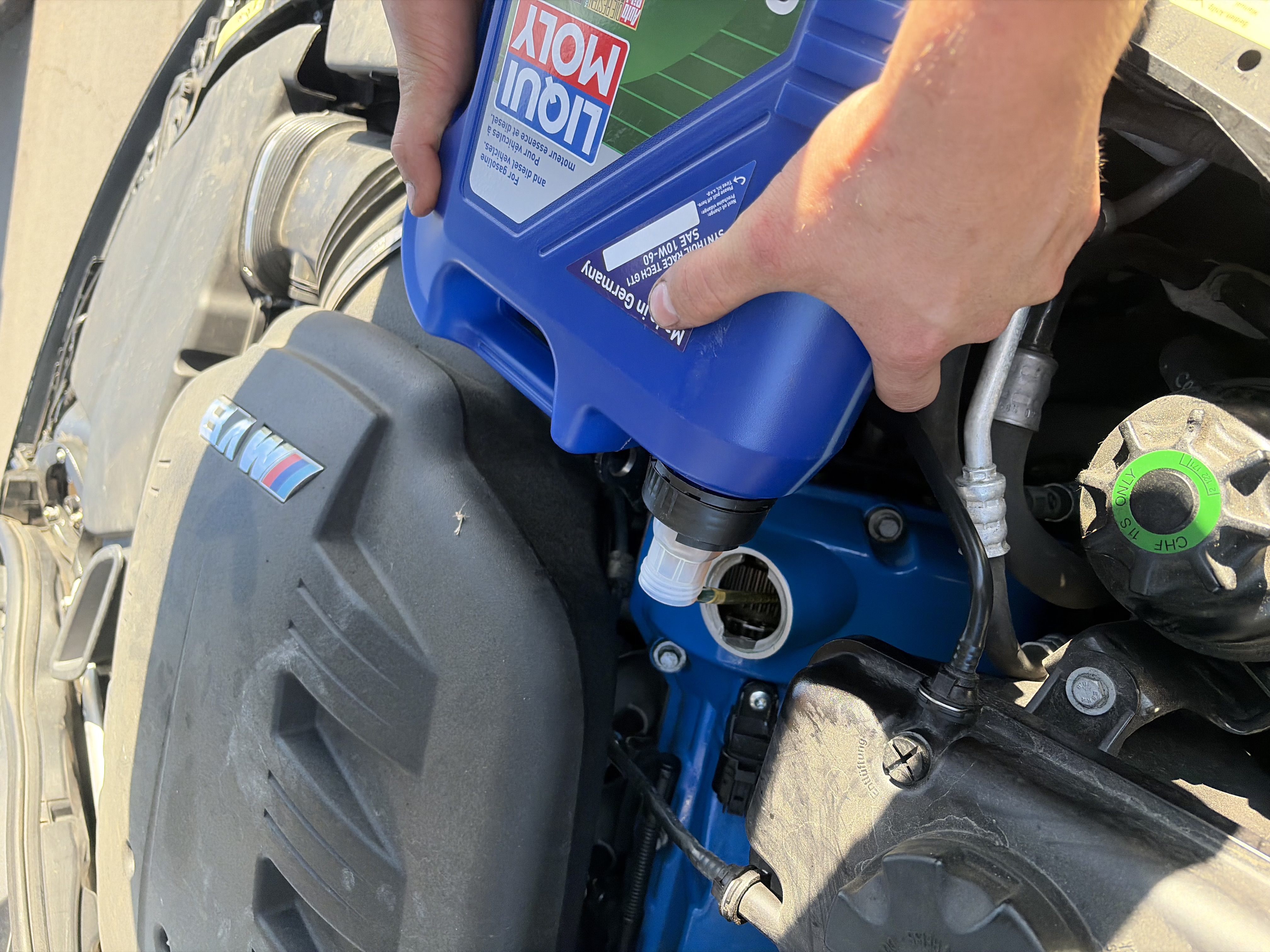
For decades, drivers were told to change their oil every 3,000 miles. Modern engines and synthetic oils have changed that. Many vehicles today can safely go 5,000 to 10,000 miles between changes, but the right interval depends on your car and how you drive it.
Start with your owner's manual
Your manufacturer's recommended interval is the best starting point. Many newer vehicles also have an oil life monitor that calculates when service is due based on engine temperature, RPM, and driving patterns.
When to change it sooner
Some driving conditions are considered "severe service" and call for more frequent oil changes:
- Frequent short trips where the engine never fully warms up
- Stop-and-go traffic or extended idling
- Towing, hauling, or carrying heavy loads
- Dusty, gravel, or mountain roads
- Very cold or very hot weather
Earlier is better than later
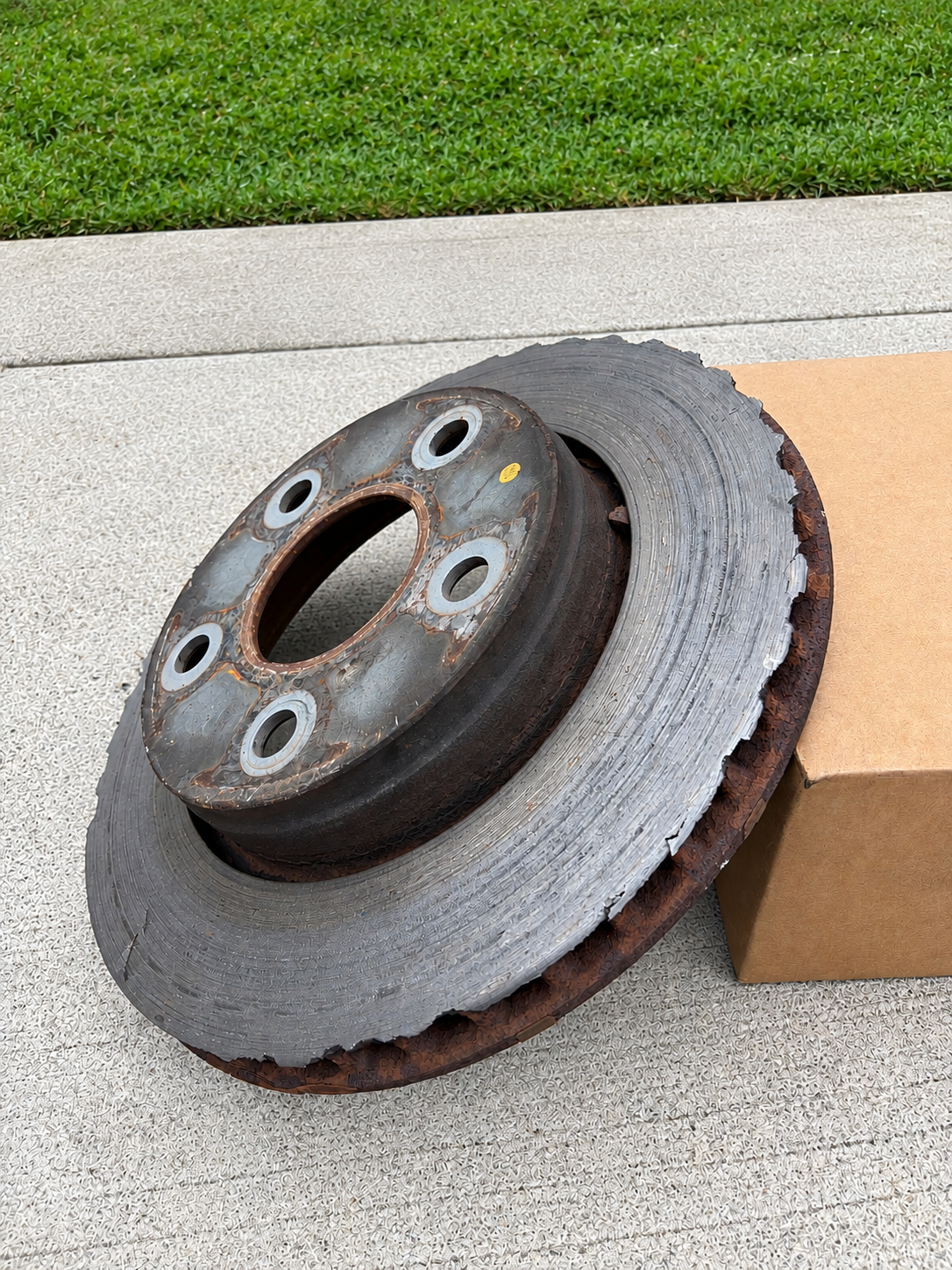
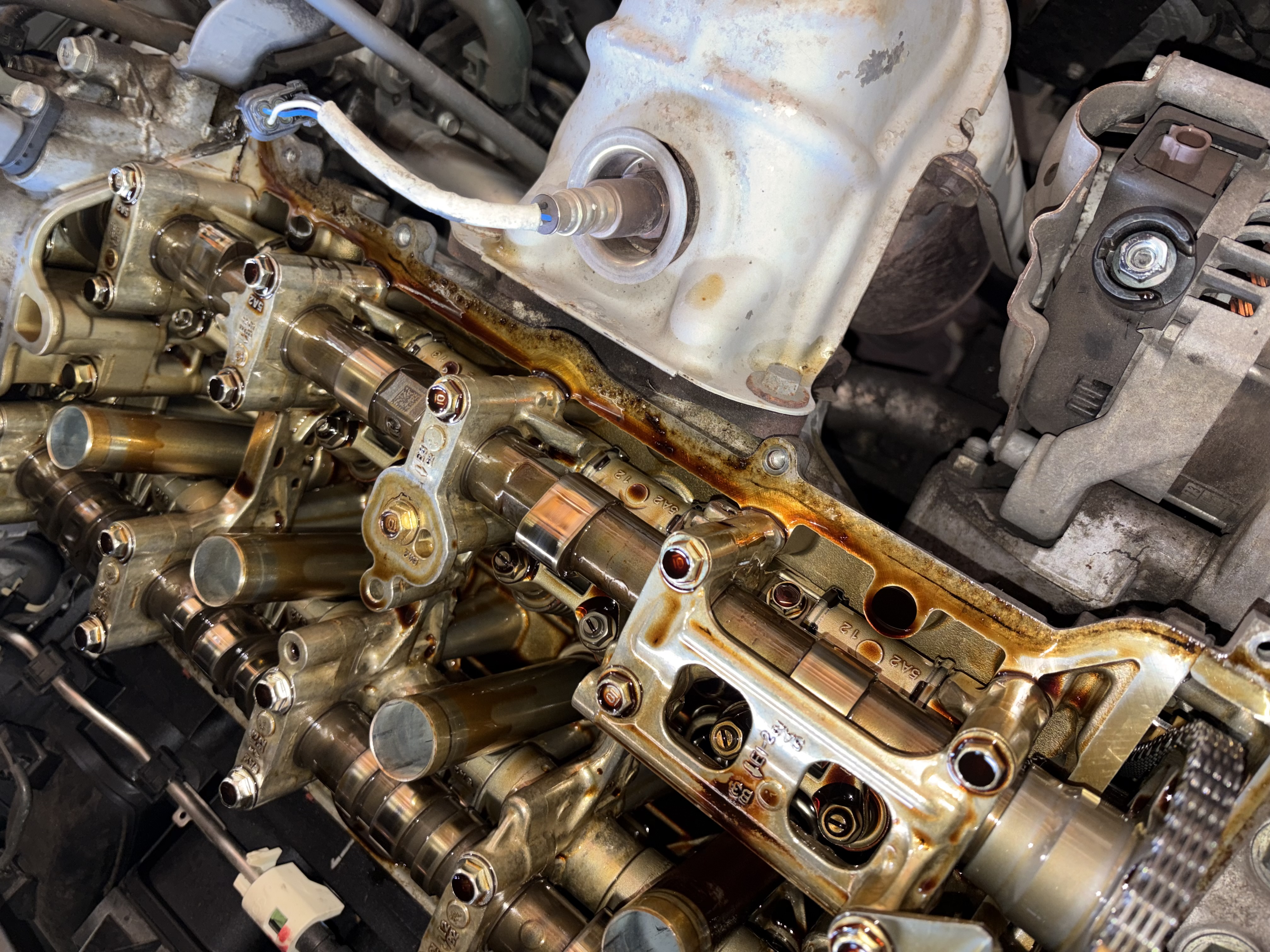
If you're on the fence, change your oil a little early rather than pushing it past due. As oil ages it breaks down, loses its ability to lubricate, and collects dirt and sludge. Running old oil puts extra wear on bearings, piston rings, camshafts, and other internal parts. That damage builds up slowly and often isn't noticeable until it turns into an expensive repair.
An oil change costs far less than repairing engine wear, so changing it a bit early is cheap insurance for the long-term health of your engine.
Don't forget to check the level
Even with a long interval, check your oil level about once a month. Some engines naturally consume oil between changes, and running low can cause serious damage. If you're unsure what your vehicle needs, we're happy to recommend a schedule at your next visit.